
How to Open Your First Prediction Market Account (2026)
Picking a platform, verifying your identity and placing a first football trade takes about 15 minutes. Here's which app suits which kind of football fan, and the welcome offers with code WCPREDICTS.
ProphetX · Trade $50, Earn $75!
WCPREDICTSClaim21+ · T&Cs apply
New users only. T&Cs apply. ProphetX's minimum age is 18 (or the local age of majority if higher); we recommend 21+. Not available in Nevada. Trading involves risk.
TL;DR:
Choose the platform that fits how you follow football: Kalshi for the widest regulated market list, Polymarket US if you want a welcome bonus for a small deposit, ProphetX if you only trade sports. Sign up, enter code WCPREDICTS, verify your ID, fund with a small amount and start with a market you understand. Availability depends on your state.
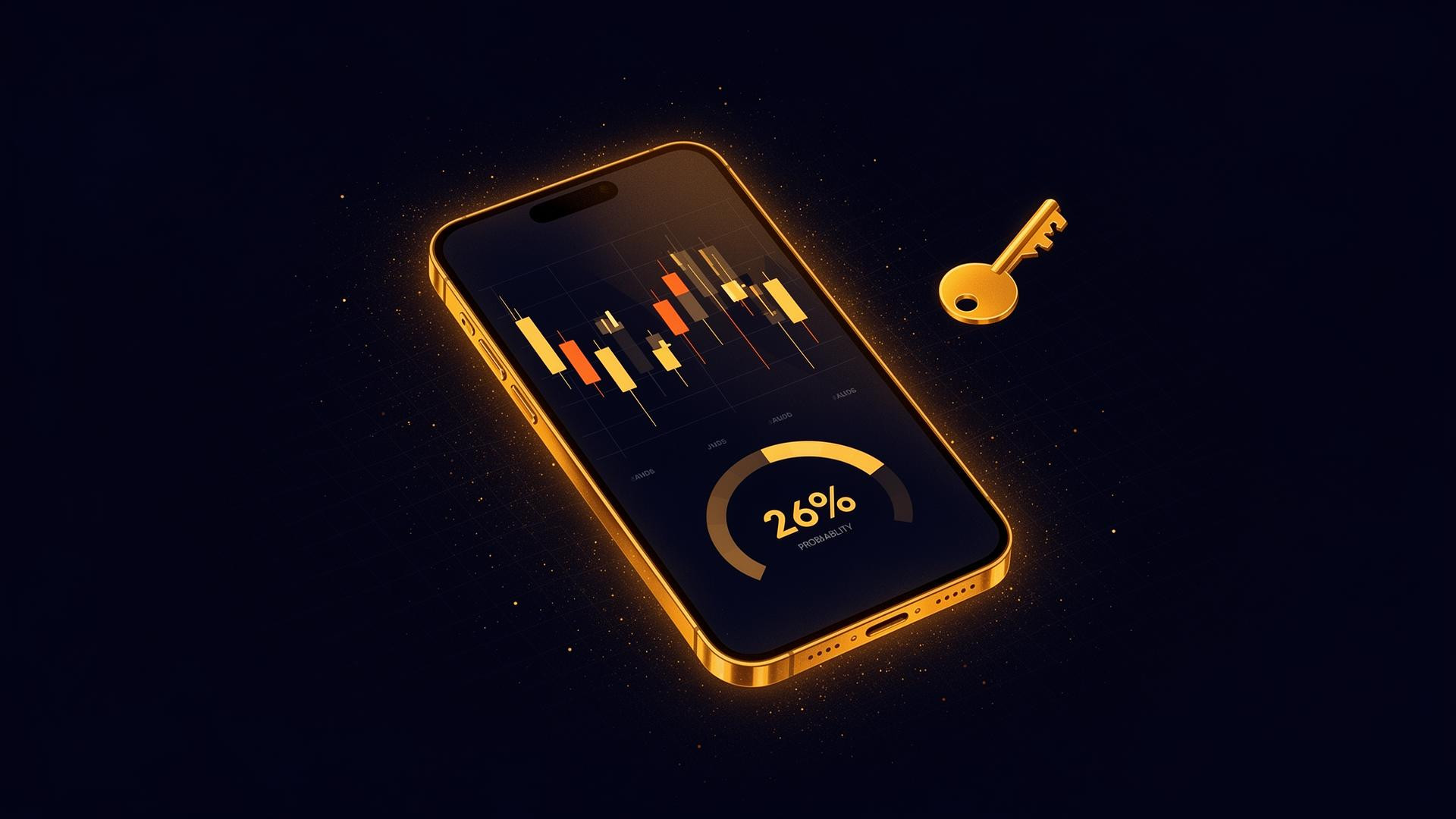
Opening a prediction market account is quicker than setting up most banking apps. The real decision is which platform fits the way you follow football.
Which platform should you pick?
- Kalshi: CFTC-regulated, web, iPhone and Android, 47 states plus D.C. The widest list of regulated markets.
- Polymarket US: CFTC-regulated app, 49 states plus D.C. A welcome bonus for a small deposit.
- ProphetX: CFTC-licensed, sports-first, 49 states plus D.C.
- Novig: a peer-to-peer sports app in 47 states plus D.C.; Rebet: a social sweepstakes-style app, not a CFTC exchange.
New users can claim welcome offers with code WCPREDICTS: Kalshi — trade $25, get $25; Polymarket US — deposit $10, get a $25 trading bonus; ProphetX (sports-first) — trade $50, get $75; Novig — deposit $10, get $50 in trade credits. Terms apply; 21+.
How do you open the account?
Keep reading · Education
Prediction Markets vs Sports Betting: What's the Difference?ProphetX · Trade $50, Earn $75!
WCPREDICTS
New users only. T&Cs apply. ProphetX's minimum age is 18 (or the local age of majority if higher); we recommend 21+. Not available in Nevada. Trading involves risk.
Last checked October 14, 2026
- Sign up through the platform's link and enter code WCPREDICTS.
- Verify your identity with a government ID.
- Fund with a small amount.
- Pick a market you understand — a national team you follow, or a tournament winner.
- Read the market's rules, then place a small first trade.
What should a first trade look like?
Keep it small and simple: a single outcome, a few contracts, and a clear reason. Watch how the price reacts to news such as squad announcements and qualifying results before scaling up.
Keep reading · Education
How Event Contracts Work: A Football Fan's GuideHow do you stay in control?
- Set a budget before you trade and stick to it.
- Remember you can lose the full cost of a contract.
- Use the platforms' deposit limits and self-exclusion tools if you need them. Help is available at 1-800-GAMBLER.
Sources
Every figure on this page is checked against primary sources — regulator filings, exchange documentation and official results. Prices and rules change; verify with the operator before trading.
- Kalshi Help Center — fees, funding and account rules — Kalshi
- Polymarket documentation — markets, fees and resolution — Polymarket
- Customer advisories and investor protection notices — U.S. Commodity Futures Trading Commission
- Designated Contract Markets (DCMs) — U.S. Commodity Futures Trading Commission
- The Commodity Exchange Act & regulations — U.S. Commodity Futures Trading Commission
Editorial coverage
Polymarket offers sports, politics and culture markets in US dollars, with a US app for event contracts.
We don't operate Polymarket and don't accept signups on this site. For state-specific availability and guidance, jump to the sibling editorial site for your jurisdiction.
From our network
Predictions Soccer
Soccer-first prediction-market coverage for a global audience.
Read more on Predictions Soccer
About the author
Catie Di Stefano
Fifteen years after starting out in regulated gambling in Malta, Catie Di Stefano now covers the World Cup and international football prediction markets full-time.
Editorial standards: How we research and rank
Keep reading
- Best Prediction Market Apps for Football Fans (2026)
- How Event Contracts Work: A Football Fan's Guide
- Prediction Markets vs Sports Betting: What's the Difference?
Next steps
Top platforms US traders are using:
Frequently asked questions
Which prediction market should I start with?
Kalshi if you want the widest regulated market list; Polymarket US if you want a welcome bonus for a small deposit; ProphetX if you only trade sports. All three are CFTC-regulated.
How much should I deposit at first?
Start small — enough to meet the welcome offer and learn how prices move. Only trade money you can afford to lose.
How long does verification take?
Usually minutes, once you upload a government ID.
Do I need to be in the US?
Yes. These platforms serve US residents in eligible states and check your location.
21+ · T&Cs apply · Terms
New users only. T&Cs apply. ProphetX's minimum age is 18 (or the local age of majority if higher); we recommend 21+. Not available in Nevada. Trading involves risk.


