
World Cup 2026 Prediction Markets: Post-Tournament Review
Spain lifted the World Cup trophy on July 19, 2026, after a tournament legally traded by US fans on federally-regulated prediction markets. We review how the markets performed and what's next.
ProphetX · Trade $50, Earn $75!
WCPREDICTSClaim21+ · T&Cs apply
New users only. T&Cs apply. ProphetX's minimum age is 18 (or the local age of majority if higher); we recommend 21+. Not available in Nevada. Trading involves risk.
TL;DR:
The World Cup 2026 concluded on July 19, 2026, with Spain beating Argentina 1-0 (AET) in the final. For US fans, federally regulated prediction markets like Kalshi and Polymarket were the main way to trade on tournament outcomes. These platforms saw significant volume, especially during USMNT matches and the knockout rounds. Attention now shifts to the 2026-27 club football season.
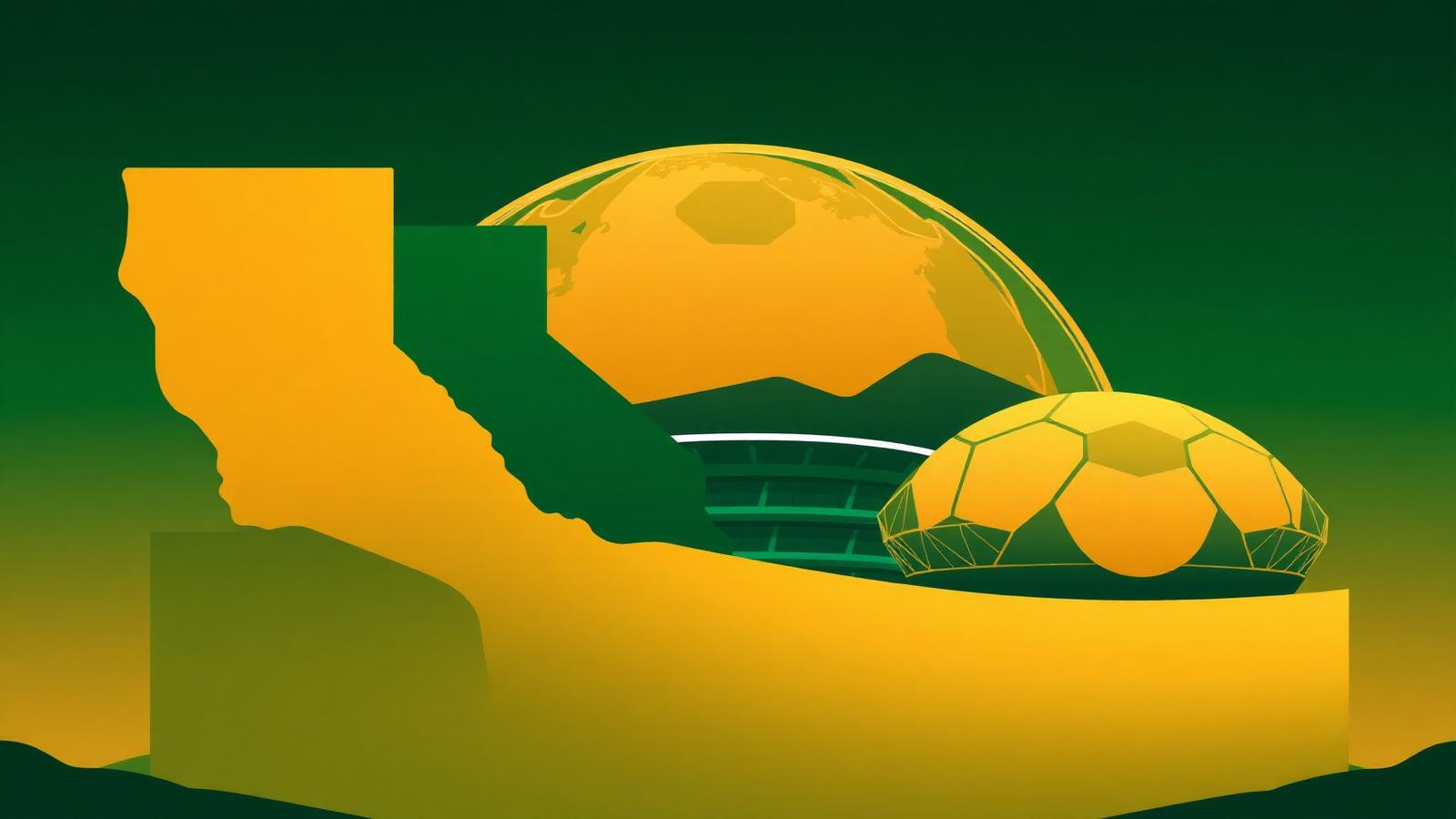
US traders legally traded the World Cup 2026 on federally-regulated prediction markets — primarily Kalshi and Polymarket — covering the tournament winner, Golden Boot, group stage, knockouts, and per-match contracts. The tournament ran from June 11 to July 19, 2026, across the US, Mexico and Canada (eight fixtures at SoFi Stadium near Los Angeles), and event contracts provided the only legal path for US fans who wanted a real position on it.
Our Take
Our take: Group-stage contracts are systematically mispriced for North American teams playing on home soil — the USMNT, Mexico, and Canada have all closed group play above pre-tournament implied probability in every World Cup hosted in the Americas since 1994.
ProphetX · Trade $50, Earn $75!
WCPREDICTS
New users only. T&Cs apply. ProphetX's minimum age is 18 (or the local age of majority if higher); we recommend 21+. Not available in Nevada. Trading involves risk.
Last checked October 14, 2026
For US soccer fans, it was the event of a generation. And for US soccer fans who wanted to put a real position on any of it, the only legal path ran through prediction markets.
Was it legal to bet on the World Cup in the US?
Sports betting in the US depends on the state: it is legal in most states, but not in all of them — California, Texas and a handful of others had no legal sportsbooks during the World Cup.
US sportsbook coverage was uneven. About 39 states plus D.C. have legal sports betting; in the rest — including California, where Propositions 26 and 27 failed in 2022 — there was no legal path to a traditional sportsbook in 2026. Federally regulated prediction markets filled that gap in most states.
However, US traders legally traded event contracts on federally-regulated prediction markets, including contracts tied to World Cup outcomes. These platforms operate under federal commodities law and are available in most states, though whether states can regulate sports event contracts is still being decided in federal court. For the full legal backdrop, see our US legality guide.
In short: where sportsbooks were not an option, traders used federally regulated prediction markets such as Kalshi and Polymarket, both of which offered World Cup contracts.
When was the World Cup 2026 and where were the LA matches?
Keep reading · Sports Tournament
SoFi Stadium World Cup 2026: LA Matches & Prediction Markets ReviewedThe World Cup 2026 ran from June 11 to July 19, 2026. It was co-hosted by the United States, Mexico, and Canada, with matches played at 16 venues across the three countries.
SoFi Stadium in Inglewood — part of the greater LA metro area — hosted eight fixtures, including group stage games and knockout round matches. The city was a focal point of the tournament, driving immense local interest in World Cup markets.
Which prediction market was best for World Cup trading?
Different platforms suited different World Cup use cases:
Kalshi was the venue of choice for outright winners and championship futures. If you wanted to take a position on Spain lifting the trophy, or on the USMNT advancing past the group stage, Kalshi offered deep and clean markets. It remained the most trusted regulated platform for US traders.
Sleeper was a popular choice for match-by-match trading with friends, extending its fantasy football interface to World Cup event contracts. Match outcomes, over/unders, and same-match combos were all available natively in the app.
Chalkboard excelled in player props. Kylian Mbappé's Golden Boot markets, assist leaders, and individual goalscorer contracts were Chalkboard's specialty. Deep markets were available for the tournament's biggest names.
Novig appealed to experienced traders seeking peer-to-peer pricing without house limits. Its exchange model was designed for tight pricing on specific fixtures.
For US World Cup fans, a portfolio approach proved most effective: Kalshi for the big picture, Sleeper for social engagement, and Chalkboard for player props.
What World Cup markets did traders access?
Prediction markets for the World Cup covered:
Tournament-level markets. Outright winner (Spain, trading around 20¢ pre-tournament), finalists, semifinalists, and dark horse outcomes. These were live from the group stage draw through the final on July 19. Liquidity deepened as the tournament progressed and sides were eliminated.
Group stage markets. Group winners, advancement from each group, first team eliminated from each group, total goals scored in a group. These were short-window markets with well-defined resolution dates.
Match-level markets. Match winners, draws, over/under total goals, first team to score, half-time result. These generated the highest volume on match days.
Player props. Kylian Mbappé secured the Golden Boot with 10 goals. Other markets included assist leaders and individual player milestones. Chalkboard offered comprehensive coverage here.
Exotic markets. Markets on things like whether a specific side would net the Golden Boot, total penalties awarded, or VAR overturns. These often had wider spreads but rewarded traders with a sharp read on the tournament.
How did traders approach World Cup odds?
The World Cup's format created specific trading dynamics that traders needed to understand.
Early group stage was noisy. The opening round of matches often saw tactical adjustments. Favorites sometimes dropped points, and prices swung sharply on single results. Liquidity on tournament outcomes typically widened in the first week.
Knockout rounds compressed information. Once the bracket was set after group play, every match was single-elimination. Markets tended to price more efficiently, spreads tightened, and liquidity deepened. This is where the sharpest money operated, making deep runs.
Home advantage was real but often overpriced. The US squad typically traded at a premium on every platform due to home-crowd bias and American retail flow. This meant the price already included a home-country tax.
Player prop pricing moved fast. If a captain scored a brace in the opener, his tournament top-scorer contract gapped up within minutes. These markets required speed of execution.
When did World Cup prediction markets peak?
Three moments drove the biggest volume:
The opening match (June 11) — the ceremonial kickoff of the tournament. Markets saw a flood of retail flow.
USA group stage matches — every USMNT game was among the highest-volume prediction market events of its day across US platforms, especially for US-based traders.
The knockout rounds (starting June 29) — once the bracket was set, match markets became the dominant story. The quarterfinals through the final saw the biggest single-fixture volumes. The final on July 19 was among the largest prediction market events of 2026.
Keep reading · Sports Tournament
USA vs Mexico at the 2026 World Cup: A Post-Tournament Market ReviewWhat's tradable now on prediction markets?
With the 2026 World Cup concluded, attention shifts to the upcoming 2026-27 club football season. Federally regulated prediction markets like Kalshi and Polymarket continue to offer a wide range of event contracts for US traders.
You can now trade on outcomes for the Champions League winner, the Premier League title and top four finishes, as well as winners of LaLiga and Serie A. Player-specific markets, such as the Ballon d'Or winner and individual per-match results for major leagues, are also available.
These markets offer new opportunities for traders to engage with their favorite teams and players throughout the club season. Trade responsibly. If it stops being fun, call 1-800-GAMBLER.
Sources
Every figure on this page is checked against primary sources — regulator filings, exchange documentation and official results. Prices and rules change; verify with the operator before trading.
- Kalshi Help Center — fees, funding and account rules — Kalshi
- Polymarket documentation — markets, fees and resolution — Polymarket
- Customer advisories and investor protection notices — U.S. Commodity Futures Trading Commission
- Designated Contract Markets (DCMs) — U.S. Commodity Futures Trading Commission
- The Commodity Exchange Act & regulations — U.S. Commodity Futures Trading Commission
Editorial coverage
Polymarket offers sports, politics and culture markets in US dollars, with a US app for event contracts.
We don't operate Polymarket and don't accept signups on this site. For state-specific availability and guidance, jump to the sibling editorial site for your jurisdiction.
From our network
Predictions Soccer
Soccer-first prediction-market coverage for a global audience.
Read more on Predictions Soccer
About the author
Catie Di Stefano
Fifteen years after starting out in regulated gambling in Malta, Catie Di Stefano now covers the World Cup and international football prediction markets full-time.
Editorial standards: How we research and rank
Keep reading
- USA vs Mexico at the 2026 World Cup: A Post-Tournament Market Review
- Kalshi vs Polymarket for World Cup 2026: Post-Tournament Review
- SoFi Stadium World Cup 2026: LA Matches & Prediction Markets Reviewed
Next steps
Top platforms US traders are using:
Frequently asked questions
Was it legal to trade on the 2026 World Cup in the US?
Available to eligible residents (as of October 3, 2026); check current state rules. Sports betting depends on the state — it's legal in most states but not all — while federally regulated prediction markets like Kalshi and Polymarket offered event contracts on World Cup outcomes in most states under federal commodities law.
When was the 2026 World Cup held?
The 2026 World Cup ran from June 11 to July 19, 2026. Spain defeated Argentina 1-0 (AET) in the final at New York/New Jersey Stadium.
Which prediction market was best for World Cup trading?
Kalshi was favored for outright winner markets (Spain was trading around 20¢ pre-tournament). Sleeper was popular for social, match-by-match trading, and Chalkboard excelled in player props, such as the Golden Boot market, which Kylian Mbappé won with 10 goals.
What World Cup markets did traders access?
Traders accessed markets for the tournament winner, group stage results, individual match outcomes, player props like the Golden Boot, and various exotic contracts. Liquidity was highest during USMNT games and the knockout rounds, with the final being a major event.
Did the US national team perform well?
The article states that USMNT markets had the highest retail volume on US platforms, often trading at a home-country premium. However, it does not specify how far the US national team progressed in the tournament.
Who won the 2026 World Cup?
Spain won the 2026 World Cup, defeating Argentina 1-0 (AET) in the final on July 19, 2026. England secured third place by beating France 6-4 in the bronze final.
21+ · T&Cs apply · Terms
New users only. T&Cs apply. ProphetX's minimum age is 18 (or the local age of majority if higher); we recommend 21+. Not available in Nevada. Trading involves risk.


